
Functional Food Applications of Root and Tuber-Based Prebiotics in Gut Microbiota Management- A Review

Faculty of Science, Engineering and Agriculture, Department of Food Science and Technology, University of Venda, Private Bag, Thohoyandou, South Africa.
Corresponding Author Email:gbeminiyi.olamiti@univen.ac.za
DOI : http://dx.doi.org/10.12944/CRNFSJ.13.Special-Issue-July.03
Download this article as:

Root and tuber crops are becoming an increasingly important part of our diet, beyond their role as staple foods, as they are a significant source of nutrition and for human health. These crops contain abundant prebiotics, such as resistant starches, inulin, and oligosaccharides, which have shown positive effects on the composition and function of gut microbiota. The gut microbiota plays a pivotal role in human health, influencing various physiological processes. The microbial ecosystem of the gut is pivotal in maintaining overall health, and dysbiosis has been implicated in a variety of metabolic and immune-related conditions. Root and tuber-based prebiotics, which include fibres and bioactive compounds, have gained attention for their ability to specifically modulate gut microbiota composition and functionality. As perceptions of gut health expand and emerging links to non-communicable diseases spur demand for functional foods containing root- and tuber-derived prebiotics, a comprehensive synthesis of the literature on their health benefits and processing is still lacking. This review focuses on the mechanisms by which root and tuber-based prebiotics influence microbial diversity and gut health, particularly through their prebiotic effects that enhance beneficial bacteria. This study sets out to bridge this gap by providing an overview of the current multifunctional applications of the prebiotic root and tuber materials as well as the impact on gut microbiota modulation. The review highlights the potential applications of these prebiotics in the development of functional foods aimed at improving gut microbiota balance and supporting digestive health. Additionally, the review discusses recent studies on structural changes of prebiotic constituents during food processing and possible consequences on the generation of functional foods. By narrowing the scope to root and tuber-based prebiotics, this review provides a targeted analysis of their role in gut microbiota management. The review study was based on published peer-reviewed articles, books, and research papers and was obtained from reputable scientific databases such as Scopus, PubMed, Web of Science, and Google Scholar. The studies included were studies reporting on the prebiotic potential of root and tuber crops and their effects on the gut microbiota, as well as their use in the production of functional foods. Fermentation, enzymatic hydrolysis, and other processing techniques increase the effective absorption of these compounds, making them suitable alternatives for food fortification. These prebiotic compounds enhance beneficial gut microbiota, modulate immune response, and alleviate inflammation.
KEYWORDS:Functional food; Gut health; Gut microbiota modulation; Resistant starch; Roots; Sustainable nutrition; Tuber prebiotic
Introduction
Prebiotics represent indigestible food substances that selectively enhance the growth and activity of advantageous gut microbes, particularly Bifidobacterium and Lactobacillus species.1 Unlike probiotics, which are live microorganisms, prebiotics serve as substrates for gut microbiota, stimulating the production of short-chain fatty acids (SCFAs) such as acetate, propionate, and butyrate. These metabolites play a critical role in improving gut barrier function, modulating immune responses, and reducing inflammation.2 As research continues to reveal their profound impact on human health, prebiotics are gaining increased academic and commercial attention, particularly in the context of gut microbiota management.
The composition of gut microbiota is closely linked to overall health, influencing digestive function, immunity, metabolic health, and even mental well-being. A balanced gut microbiome is associated with reduced risks of gastrointestinal disorders, metabolic syndromes, and certain chronic diseases.3 As public awareness about gut health increases, there is a growing interest in harnessing dietary prebiotics to improve health outcomes.
Root and tuber crops, such as cassava (Manihot esculenta), sweet potato (Ipomoea batatas), yam (Dioscorea spp.), and taro (Colocasia esculenta), are vital staple foods, particularly in regions such as Africa, Asia, and South America. These crops are rich in dietary fibre and resistant starch, both of which possess significant prebiotic potential.4 Resistant starch, for instance, resists digestion in the small intestine and undergoes fermentation in the colon, enriching beneficial gut bacteria.5
Root and tuber crops have been underutilised as sources of prebiotics when compared to more studied foods such as cereals and legumes, even though they offer various nutritional advantages. These crops have not been studied sufficiently for the specific prebiotic compounds they contain, as well as from an outdated approach that primarily considered fibre and starch sources. In addition, the more traditional ways of utilising root and tuber crops have not always focused on their advanced functional features, thus creating a delay in recognising their prebiotic possibilities. Other crops, such as cereals and legumes, have attracted more attention because of their established impact on the food system and their more widely studied health benefits.
Despite their nutritional benefits, roots and tubers remain underutilised in the development of functional foods and nutraceuticals. Due to their low glycemic index and high fibre content, these crops have the potential to support gut health, particularly in populations at risk of metabolic and gastrointestinal diseases.6 Additionally, roots and tubers contain bioactive compounds such as phenolics and flavonoids, which enhance their antioxidant and anti-inflammatory properties.7
Recent advancements in processing techniques, including enzymatic treatments, fermentation, and high-pressure processing, have unlocked new opportunities to maximise the prebiotic potential of these crops.8 These innovations offer promising applications in gut health maintenance, allowing for the development of prebiotic-rich foods and supplements.
While several reviews have explored prebiotics from a variety of sources, there is insufficient emphasis on how this review builds upon or differs from previous reviews on similar topics, limiting its distinctiveness in the broader scholarly context. This review aims to explore the functional food applications of root and tuber-based prebiotics in gut microbiota management. Specifically, it focuses on the nutritional and functional factors that contribute to the prebiotic potential of these crops, examines emerging technologies that enhance the extraction and bioavailability of prebiotic compounds, and summarises the available evidence on their role in shaping gut microbiota and promoting digestive health. Furthermore, it clearly articulates specific gaps in current scientific understanding, such as the lack of comprehensive studies on the mechanisms through which root and tuber prebiotics influence gut microbiota composition for health benefits. This review highlights the untapped potential of roots and tubers as sources of prebiotics, offering insights into their applications in food systems and therapeutics, and outlining areas for future research and development.
Materials and Methods
The review combines the available literature to assess the role of root and tuber-derived prebiotics in supporting functional food for controlling the gut microbiota. The study examines peer-reviewed journals, scientific conferences, and other relevant publications published from 2010 to the current year, portraying the impact of root and tuber-derived prebiotics on the structure and functionality of gut microbiota.
A meticulous search for relevant literature was done on digital catalogues such as PubMed, Scopus, Web of Science, and Google Scholar. The keywords used for the search included variations of “root and tuber prebiotics”, “gut microbiota”, “functional foods”, “microbial diversity”, and “digestive health”. Other documents were found using backwards and forward citation searching and via specialist referrals from the literature considered.
The author included articles assessing the specific root and tuber prebiotics and their impact on the gut microbiota or a health outcome related to the digestive system. Studies that focused on prebiotics other than root and tuber ones, did not contain relevant microbial analysis, or were not in English, were excluded. The systematic capture of study design, intervention type, microbiological and health outcomes enabled the extraction and synthesis of the data. Using narrative description alongside qualitative research interpretation of the data allowed identification of common themes, contradictions, and other gaps. In order to eliminate bias, publication biases were addressed by extensive searches of electronic databases, citation searches, and other sources. Selection bias was controlled through establishing the root and tuber prebiotic impact on the gut microbiota inclusions regardless of study sample and design. Restrictive language bias was diminished by only accepting documents published in English.
Roots and Tubers as Sources of Prebiotics
Nutritional and Chemical Composition of Roots and Tubers: Relevant to Prebiotic Potential
Roots and tubers rank among the world’s most important staple foods due to their high energy yield and rich profiles of bioactive compounds, such as dietary fibres, resistant starches, phenolic compounds, and flavonoids, that confer multiple functional benefits (Table 1 summarises the carbohydrate composition, fibre content, and key bioactive components of several common roots and tubers, along with their prebiotic implications). Typically, these crops are high in carbohydrates (predominantly starch and non-starch polysaccharides), moderate in protein, and very low in fat, while also supplying essential vitamins (e.g., vitamin C, B-complex) and minerals (e.g., potassium, magnesium) along with antioxidants that support overall health and mitigate oxidative stress.9, 10 A major functional attribute arises from their carbohydrate fractions, which resist digestion in the small intestine and reach the colon intact, where they undergo fermentation by beneficial gut microbiota to produce short-chain fatty acids (SCFAs) such as acetate, propionate, and butyrate molecules that nourish colonocytes, modulate inflammation, and help maintain mucosal integrity.11 Because these non-digestible carbohydrates lower the glycemic response and increase dietary fibre intake, roots and tubers are ideal for promoting gut health, particularly in populations at risk of metabolic disorders. Moreover, phytochemicals such as phenolic acids and flavonoids exhibit potent antioxidant and anti-inflammatory effects, further enhancing gut barrier function and systemic well-being.12 For example, cassava (Manihot esculenta) typically contains about 80% carbohydrates and 3% fibre, plus trace cyanoglycosides; its abundant resistant starch (RS) feeds butyrogenic bacteria, thereby increasing microbial diversity and SCFA production. Sweet potato (Ipomoea batatas), with approximately 70% carbohydrates, 4% fibre, and some oxalates, is rich in fructooligosaccharides (FOS), which selectively promote Bifidobacterium and Lactobacillus growth, strengthen intestinal barrier function, and enhance SCFAs synthesis. Yam (Dioscorea spp.), comprising around 78% carbohydrates, 2.5 % fibre, and phytates, provides both inulin and RS fractions that synergistically support gut microbiota balance, reduce inflammation, and improve mineral absorption.
In taro (Colocasia esculenta), where carbohydrates account for approximately 72 % and fibre accounts for about 3.5 %, with oxalates as the main antinutrients, resistant starch and non-starch polysaccharides (NSPs) together foster beneficial bacterial growth and increase SCFA yield.
Common potato varieties (Solanum tuberosum), which contain circa 77% carbohydrates, 2.2% fibre, and glycoalkaloids, form retrograded RS (RS3) upon cooking and cooling, thereby enhancing butyrate production, supporting gut barrier integrity, and lowering postprandial glycemia. Jerusalem artichoke (Helianthus tuberosus), with about 72% carbohydrates and 2.8% fibre and minimal antinutritional factors, is exceptionally high in inulin, which selectively nourishes bifidogenic bacteria, optimises calcium absorption, and stimulates SCFA synthesis.
Table 1: Nutritional Composition and Prebiotics in Major Root and Tuber Crops
|
Crop |
Prebiotic compound(s) |
Macro- nutrient |
Antinu- trient |
Prebiotic effect | Major producers | Typical food forms |
References |
| Cassava Manihot esculenta |
Resistant starch (RS) |
About 80 % carbohydrates, 3 % fibre | Cyanogenic glycosides | High RS to promote SCFAs, microbial diversity |
Nigeria, Brazil | Flour, flakes, tapioca |
(9, 11) |
|
Sweet |
Fructo -oligosac charides (FOS) |
About 70 % carbohydrates, 4 % fibre | Oxalates | FOS enhances growth of Bifidobacterium, Lactobacillus | China, USA |
Chips, purée, flour | (12, 13) |
| Yam Dioscorea spp. | Inulin, RS | About 78 % carbohydrates, 2.5 % fibre | Phytates | Inulin + RS improve gut health and reduce inflammation | Nigeria, Ghana | Pounded yam, flour, flakes |
(14, 15) |
|
Taro Colocasia esculenta |
RS, non-starch polysac charides (NSP) |
About 72 % carbohydrates, 3.5 % fibre | Oxalates | RS + NSP increase microbiota diversity | India, Philippines | Chips, flour | (16, 17) |
| Potato Solanum tuberosum | Retrograded RS3 |
About 77 % carbohydrates, 2.2 % fibre | Glyco-alkaloids | RS3 increases SCFAs, gut-barrier integrity |
China, Russia, USA | Chips, flour |
(18, 19) |
|
Jerusalem |
Inulin | About 72 % carbohydrates, 2.8 % fibre | Minimal | Inulin increases beneficial microbes, Ca²⁺ uptake |
USA, Canada | Syrup, flour | (20, 21) |
| Arrowroot Maranta arundinacea |
Non-starch polysac charides (NSP) |
About 70 % carbohydrates, 2.5 % fibre |
Minimal | NSP improves digestion, microbial activity | India, Sri Lanka,
Indonesia |
Powder, biscuits, custard |
(22, 23) |
Finally, arrowroot (Maranta arundinacea), containing approximately 70% carbohydrates and 2.5% fibre with negligible antinutrients, supplies NSPs that increase faecal bulk, accelerate transit time, and serve as substrates for microbial fermentation, thus boosting SCFA levels and promoting overall colonic health. By delivering resistant starch, FOS, inulin, and various NSPs, these roots and tubers not only supply calories and dietary fibre but also play active roles in gut microbiota modulation, enhanced SCFA production, and overall colonic function.
Prebiotic Compounds in Roots and Tubers
Rich sources of prebiotic compounds such as resistant starches, inulin, and fructooligosaccharides (FOS) are also provided by roots and tubers, which favour the growth of helpful gut microbiota and increase short-chain fatty acids.24 The main prebiotic in these crops is resistant starch, which is not digested in the small intestine but fermented in the colon, thus providing many gut health benefits.18 Moreover, roots and tubers also possess prebiotic effects when it comes to their phenolic compounds and non-starch polysaccharides, as they promote higher microbial diversity and reduce the inflammatory response within the intestine.16
Resistant Starches (RS) of Roots and Tubers
One of the root and tuber-derived prebiotics predominantly found is resistant starch (RS), which exhibits unique chemical and functional characteristics concerning gut health promotion. Unlike regular starch, RS is not hydrolysed by the small intestinal enzymes and thus arrives intact in the colon, where it is fermented by the colonic microbiota. SCFAs such as acetate, propionate, and butyrate, which are generated during fermentations and are critical for a healthy colon. SCFAs decrease colonic pH, promote gut barrier integrity, mediate immune modulation, and lower inflammation, thus improving both gut and systemic health.25
Types of Resistant Starch in Roots and Tubers
Resistant starch (RS) is categorised into four types (RS1–RS4) as a result of their structural characteristics, botanical origin, and how they are processed (Figure 1). RS1 is the form of inaccessible starch made of granules enclosed within intact cell walls and thus cannot be reached by human digestive enzymes. This type is prevalent in raw or semi-processed roots, tubers, grains, and seeds because these plants have cells containing starch, which requires milling or heating to break the cellular matrix.26 RS2, on the other hand, is composed of starch granules which are undeformed and have B-type crystallinity. This is a tight arrangement of what is known as “cassava-type” starches. Starch granules can be found in green bananas and certain yams. Although these starches are resistant to hydrolytic enzyme action at room temperature, they are digestible when heated but cooled later to encourage recrystallisation after the crystalline structure is disrupted (gelatinisation).27
Retrogradation during starch cooling results in the formation of new crystalline regions known as RS3. It is known for its prebiotic potential, especially since it is not digested in the small intestine, but instead is selectively fermented by colonic microbiota into short-chain fatty acids.28 Examples include potato salad, cassava pudding, and sweet potato pie. RS4 is formed by chemical and physical changes such as cross-linking, esterification, and lipids or proteins and phosphate groups binding complexly, which alters the granule surface and hinders enzymatic cleavage. RS4 may develop in fibrous roots and tubers through expanding rice amylose-lipid complexes or by creating rigid covalent bonds that granules.
Despite the fact that RS4 resists digestion, it still plays a role in dietary fibre and aids in colonic fermentation.29 Functional advantages such as decreased postprandial glycaemic responses from enzymatic cleavage, increased production of colonic butyrate and other beneficial short-chain fatty acids, and changes to the gut microbiota that improve intestinal health and metabolic regulation are offered by each of these RS fractions to root and tuber foods.
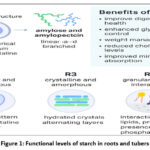 |
Figure 1: Functional levels of starch in roots and tubers |
Sources of Resistant Starch in Roots and Tubers
Roots and tubers, such as cassava (Manihot esculenta), yam (Dioscorea spp.), sweet potato (Ipomoea batatas), and taro (Colocasia esculenta), are significant contributors to dietary RS. Depending on their state (raw or processed), cooking, and cooling methods, these crops provide diverse sources of RS. Raw cassava is a particularly high source of RS2, while RS3 is produced when cassava is cooled after cooking. Due to the high levels of RS it contains, cassava has applications in prebiotic formulations in products under processing, such as flours and fermentation products.30 However, potatoes are best known for their retrograded starch (RS3), which primarily happens in cooked and chilled potato dishes like potato salads. Such RS improves their prebiotic potential, which is beneficial for gut health and glycemic control.
Raw sweet potatoes and yams are rich in RS2. When cooked and subsequently cooled, these tubers become RS3, thus enhancing their capacity as prebiotics. Also, their suitability for people with metabolic conditions is attributed to their low glycemic index.31 Taro is rich in resistant starch (RS) and is non-hyperallergenic, making it a staple food in traditional diets and fermented diets in many countries. It is also useful in therapeutic diets because of its low glycemic index.
Health Benefits of Resistant Starch in Roots and Tubers
One of the health benefits of reluctant starch (RS) derived from roots and tubers is known to improve gut health through the production of volatile fatty acids (VFAs) such as acetate, propionate, and butyrate; especially butyrate, which is the primary energy source of colonocytes that play a vital role in gut-barrier function, and inflammation suppression, thereby, leading to a lower risk of colon inflammation and colorectal cancer.32 Furthermore, RS is recognised for stimulating the growth of health-supportive gut microbiota such as Bifidobacterium and Lactobacilli, increasing microbial diversity, and reducing gastrointestinal symptomology, as well as irritable bowel syndrome and constipation.33
Gut bacteria ferment resistant starch (RS) to produce short-chain fatty acids (SCFAs). These SCFAs reduce the pH of the colon, inhibiting the proliferation of pathogenic bacteria, and act as a primary nutrient source for gut beneficial microorganisms.18 The performance of RS in the intestinal tract has been associated with selective stimulation of beneficial bacteria, production of short-chain fatty acids (SCFAs), and alteration of gut microbiota composition, improving digestion, nutrient absorption, and immune function.
RS significantly contributes to metabolic health, improves glycaemic control and aids in weight management. RS slows the rate at which we break down and absorb glucose, which helps lower post-prandial blood glucose spikes, for a special benefit that RS can bring to the table for folks with diabetes or insulin resistance. Similarly, higher amounts of RS3 in cooled potato or cassava products may promote satiety and reduce energy intake, potentially aiding in the management of body weight.34
Regarding this, the short-chain fatty acids (SCFAs) produced by fermentation of RS have potent anti-inflammatory activity, indicating the potential to use in the developmental treatment of inflammatory bowel disease (IBD), including Crohn’s disease and ulcerative colitis.35 In particular, RS reduces chronic GI diseases by reducing systemic inflammation and improving gut epithelial integrity thus increasing gut health.
In addition, RS has also has potential systemic advantages, such as improved lipid metabolism, which is reflected by serum cholesterol reductions and the metabolic efficiency in the body. The various associations observed regarding the health benefits of RS derived from roots and tubers suggest that RS may play a functional role in the diet, influencing gut and metabolic health.
Prebiotic and Functional Compounds in Roots and Tubers
Roots and tubers serve as excellent sources of various bioactive compounds that enhance gut health and well-being synergistically (Figure 2). In particular, inulin, a type of fructan with a longer chain, is fermented by colonic microbiota and raises populations of beneficial Bifidobacterium and Lactobacillus species, which aid in gut healing, as well as repairing the mucosal lining.
Inulin and Fructooligosaccharides (FOS)
Inulin and its shortened-chain derivative, identified as fructooligosaccharides (FOS), are naturally occurring polysaccharides available in small quantities in some roots and tubers. These compounds are fructans, formed by β (2→1)-linked fructose units, with inulin being the long-chain version and FOS the short-chain version. They may be found in considerable quantity in various crops, such as chicory and Jerusalem artichoke, but traces have also been detected in the roots and tubers of some others, such as sweet potatoes and yams.36
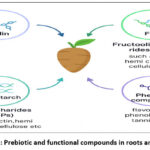 |
Figure 2: Prebiotic and functional compounds in roots and tuber |
Both inulin and FOS have strong prebiotic effects since they selectively promote the growth and activity of beneficial intestinal bacteria (e.g, Bifidobacterium and Lactobacillus species). Such bacteria ferment inulin and FOS into SCFAs like acetate, propionate, and butyrate, which improve colonic health, regulate immune responses, and reduce intestinal pH to prevent pathogen growth.37 Additionally, these fructans help to balance the bacteria within the gut in a way that promotes healthy digestion, minimises constipation and assists all areas of gastrointestinal health.38 reported that inulin and FOS-fed diets decreased serum cholesterol, raised calcium absorption and also improved immune response. The use of these fructans in functional food based on roots and tubers is a promising approach in the design of diets enriched with prebiotics.
Non-starch Polysaccharides (NSPs)
Roots and tubers also contain another important component of dietary fibre, non-starch polysaccharides (NSPs). Non-starch polysaccharides (NSPs), which include pectin, hemicellulose, cellulose and gums, also play an important and positive role in gut health through several mechanisms of action as they are non-digestible carbohydrates. Pectin also exists abundantly in roots and tubers, including wonderful potatoes and taro; pectin is a class of soluble fibre that gets fermented in the colon. This fermentation process produces short-chain fatty acids (SCFAs) with demonstrated effects on colonocyte nutrition, gut barrier tightening and anti-inflammatory effects.39 Hemicellulose, another complex carbohydrate, for example, is what is left in the cell walls of roots and tubers. It offers a substrate for fermentation by gut bacteria, enhancing microbial diversity and activity. Additionally, hemicellulose increases faecal bulk, enhances bowel regularity and alleviates constipation.40
Apart from providing prebiotic effects, NSPs also help in regulating metabolic disorders. NSPs can be beneficial for blood sugar control; they help slow gastric emptying and diminish glucose absorption, and as such, roots and tubers containing abundant NSPs are being considered appropriate for diabetics and people with metabolic syndrome.
Phenolic Compounds in Roots and Tubers
Phenolic compounds are not fully recognised as prebiotics, but phenolic substances found in roots and tubers have demonstrated a prebiotic effect by altering gut microbiota. Examples of these bioactive compounds are flavonoids, phenolic acids, and tannins, which are mainly found in high amounts in crops such as sweet potatoes, yams and cassava. 41 These are substrates for some beneficial bacteria, supporting their growth and activity. Certain microorganisms, such as Bifidobacteria and Lactobacilli species, have the capacity to metabolise phenolic compounds and also produce metabolites that possess antioxidant and anti-inflammatory activities.42 This interaction promotes a diverse motherboard and a healthy motherboard composition.
Furthermore, phenolic content protects against oxidative stress and inflammation, which are associated with different chronic diseases, including inflammatory bowel diseases (IBDs) such as Crohn’s disease and ulcerative colitis. The functional properties for gut and systemic health of roots and tubers are due to the presence of these compounds.
Innovative Processing Technologies for Root and Tuber Prebiotics
The prebiotic potential of roots and tubers requires improvement in processing technologies. According to43, these technologies are applied to enhance the extraction and bioavailability of prebiotics such as resistant starch (RS), inulin and fructooligosaccharides (FOS), and modulating their functional and nutritional properties at the same time. These root and tuber products are subjected to state-of-the-art extraction techniques and processing procedures to enhance their prebiotic levels. These sophisticated methods greatly improved the yield, purity, and efficiency of prebiotic derivatives extraction, especially for the separation of bioactive compounds and oligosaccharides.
Enzymatic Hydrolysis
Enzymatic hydrolysis is a simple method for generating prebiotics. It involves the use of specific enzymes to break down complex carbohydrates into prebiotic compounds, such as fructooligosaccharides (FOS) and inulin. This cleavage is provided with the help of enzymes, including amylases, glucosidases, or fructosyltransferases, which act on specific glycosidic bonds in carbohydrate structures. For example, in the enzymatic treatment of starch-rich roots and tubers (cassava and sweet potatoes, for example), high-yield resistant oligosaccharides with prebiotic function can be extracted.44 These probiotics feed good gut bacteria (Bifidobacterium and Lactobacillus) that promote gut health and immune function.
This method is, for the most part, selective, green, and energy-lean, and it is applicable under mild conditions such as moderate temperature and neutral pH that maintain the bioactivity and structure of extracted molecules. Enzymatic hydrolysis is also active, scalable, and widely used in industry, especially in the functional food and nutraceutical production process. It is also possible to reduce the generation or the disposal of waste through low-temperature reactions, in agreement with the principles of green chemistry. Fine-tuning enzymatic parameters to improve the availability of every unique prebiotic, such as enzyme concentration, substrate specificity, and reaction duration, further increases its efficacy.
Ultrasonic and Microwave-Assisted Extraction
Ultrasonic and microwave-assisted methods use sound waves or microwave energy to weaken the walls of plant cells, aiding in the release of various intracellular compounds by breaking the smaller matrix bonds. These advanced extraction technologies have many advantages over traditional methods, including high, efficient extraction, decreased solvent consumption, and a lower degree of thermal degradation of bioactive agents.45 Sonication involves the application of ultrasonic waves to induce a high-energy pulsed cavitation effect, particularly useful for the extraction of structural polysaccharides such as pectin and hemicellulose from the cell walls of tubers. This approach, as highlighted by.46 is beneficial not only for increasing extraction yield but also to reduce higher macromolecules into smaller and more functional bioactive fractions. Ultrasonic treatment has the potential to optimise extraction by adjusting parameters applied, such as frequency, intensity and treatment times, to increase extraction selectivity.
Another recent processing method, microwave-assisted extraction, relies on electromagnetic radiation for rapid heating of plant matrices and the surrounding soluble solvents, which creates rupturing of plant cell walls that may facilitate the release of intracellular compounds. This drastically reduces extraction timescales with less of an energetic expense than standard heating techniques.47 This method is particularly pertinent for isolating heat-stable prebiotic factors, such as oligosaccharides and resistant starch, whilst retaining their functional characteristics. Advantages of using microwave extraction are its controlled and selective microwave radiation temperature and power, which also help in increasing the yield and retaining sensitive bioactive compounds.
Both approaches improve the yield and purity of prebiotic compounds while preserving their structure and biological activity. Their adaptability enables industrial-grade applications, thus providing a sustainable economic solution for the extraction of valuable compounds. Coupled with other advanced technologies, such as enzyme-assisted extraction, these methods create a selective and precise extraction process. The methods employed are low-cost, eco-friendly, and used in food and pharmaceutical applications, thus contributing to advanced green chemistry principles that minimise solvent and energy consumption.
Supercritical Fluid Extraction (SFE)
Supercritical fluid extraction, which is a process that uses an extraction method with supercritical carbon dioxide (CO₂) as a solvent, is used for prebiotics. CO₂ possesses unique traits at its supercritical stage, which inherit gas-like diffusivity and liquid-like solvating power, thus enabling effective penetration and extraction of the target compounds. Such a technique efficiently uses energy, is eco-friendly, and is applicable for heat-sensitive molecules such as inulin, phenolics, and some resistant starch extracted from yam, cassava, and taro.48 Using SFE creates a significant number of chances to customise the extraction by altering the temperature and pressure, which changes the solvation power of supercritical CO₂. This level of precision allows for the extraction of specified bioactive compounds with minimal impurities, resulting in high-purity prebiotics for functional food and nutraceuticals. Moreover, supercritical CO₂, as reported by49, is nontoxic, non-flammable, and solventless, which makes the extraction safe and environmentally friendly. Along with SFE, other co-solvents, such as ethanol or water, can dissolve more polar compounds like oligosaccharides and flavonoids.
This versatility enhances the range of prebiotic compounds that can be isolated efficiently. Also, the operation is performed at low temperatures, which enables thermolabile compounds to remain intact and functional without any degradation. Because of the scalability of SFE, this method is also feasible for industrial applications where the high initial investment in equipment and facilities would be recovered in the long-term savings associated with the cost of residual species separation/enrichment. It also complies with green chemistry guidelines by minimising the use of organic solvents and reducing environmental impact. Fundamentals of SFE and monitoring of SFE parameters, such as the use of innovative co-solvent systems and reactor design, contribute to the advancement of SFE to some extent for the recovery of prebiotic molecules from different root and tuber crops. Thus, SFE is set to become one of the processes for sustainable high-value ingredient production in food, medicine, and cosmetics.
Processing for Enhanced Prebiotic Content
Inulin, resistant starch, and fructooligosaccharides (FOS) are examples of prebiotics that are improved by changing the chemical and structural properties of roots and tubers during primary processing. Controlled fermentation techniques attempt to increase prebiotic content without compromising nutritional value through thermal and non-thermal processes like extrusion or high pressure (50). Additionally, new cultivars with increased prebiotic yields designed to benefit gut health and functional foods are being developed through some biotechnological methods.51
The fermentation of starch-containing high flour produced from cassava or taro involves the action of selected microbes, mostly belonging to the Lactobacillus and Bifidobacterium groups, resulting in increased resistant starch content along with reduced anti-nutritional factors.52 This metabolism also forms important metabolites such as short-chain fatty acids and bioactive peptides that assist in maintaining gut health. With extrusion cooking, the cassava and sweet potato chips are processed in less time and at higher temperatures, enabling better health benefits by increasing the amount of retrograded starch (RS3).53 In the same manner but at lower temperatures, high-pressure processing is able to preserve key nutrients sensitive to heat while increasing resistant starch content, making the processed tubers HPP more functional and better in microbial resistance compared to the untreated tubers.
Biotechnological Enhancements
The use of biotechnology has also opened new dimensions for the genetic modification of root and tuber crops for enhanced prebiotic yield and nutritional quality. With state-of-the-art genetic engineering technologies, namely CRISPR-Cas9 and RNA interference (RNAi), the metabolic pathways are altered to enhance the biosynthesis of target compounds such as resistant starch (RS), inulin and fructooligosaccharides (FOS).54 For example, higher amylose content genetically modified cassava lines can produce higher quantities of RS when cooked and cooled, and can act as a prebiotic and lower the glycaemic index.55 This has also been associated with increased indigestible fibres, which facilitate the development of gut microbiota and have health benefits for the gut.
Similarly, transgenic sweet potatoes that express higher amounts of inulin and FOS show better prebiotic activity, increasing their potential to stimulate beneficial gut microbiota such as Bifidobacterium and Lactobacillus.56 They play a crucial role in gut health and help to inhibit sort of gut disorders. Other genetic modification approaches act on biosynthetic enzymes whose activities are crucial for optimising precursor availability with prebiotic oligosaccharide (POS) production, such as sucrose synthase and fucosyltransferase.57
These are biotechnologies that not only increase the prebiotic coating. This indirectly contributes to the sustainable production of root and tuber crops rich in prebiotics with researchers now focusing on enhancing their resilience against environmental challenges such as drought, salinity and pests.58 Such studies have shown that upon the gene transformation of potato plants with drought tolerance conferring genes, crop yield under water-limiting conditions doubles without significant loss of their prebiotic content.59 In addition, various genes from various plants or microorganisms is studied to impart novel bioactive properties to expand their functional food applications. Genetic modulation in the form of genetic engineering has been employed to promote yam disease resistance without compromising nutritional quality by expressing bacterial-derived flowering plant genes encoding antimicrobial peptides.60 Genomics and other omics technologies, such as transcriptomics and metabolomics, are being combined to enhance the resolution of the genetic and metabolic networks controlling prebiotic compound biosynthesis in root and tuber crops. These technologies also enable systems-level comprehension of complex biological systems that can be used for more sophisticated strategies for genetically engineering organisms.61 Understanding this, the researchers can use phenotypes that enhance prebiotic content and stress tolerance with a crop genotype of interest while balancing its yield and quality. Moreover, employing glass multi-omic strategies can enhance selection precision and breeding speed through the identification of biomarker traits and desirable variant traits.62
Generally, the emergence of this concept will investigate the agricultural biotech revolution, which aims to harness and develop root and tuber crops that are more suited to thrive under and during the signs of environmental limitations in the prebiotic form. However, there is also great promise in the potential to improve human nutrition and to contribute toward sustainable agriculture, global food security, and public health.
Role of Root and Tuber Prebiotics in Gut Microbiota Modulation
Root and tuber prebiotics play a significant role in promoting gut health by modulating gut microbiota composition and activity. These prebiotics, including resistant starch (RS), inulin, fructooligosaccharides (FOS), and non-starch polysaccharides (NSPs), act as substrates for beneficial microorganisms in the gut, such as Bifidobacterium and Lactobacillus species, enhancing microbial diversity, abundance, and metabolic function.
Mechanism of Action of Prebiotics on Gut Microbiota
Prebiotics are substances that cannot be broken down during digestion but enhance the growth of beneficial bacteria in the intestines, thus helping the host.63 Roots and tubers can act as fermentation substrates for the microbiota if they reach the colon without being digested in the small intestine.64 Specifically, the fibres such as resistant starch (RS) and fructooligosacharides (FOS) from these foods increase the numbers of Bifidobacteria and Lactobacilli species, competitively inhibiting pathogenic strains and supporting microbiota homeostasis.65, 66
Non-digestible carbohydrates, non-digestive carbohydrates such as these, are fermented to form acetate, propionate, or butyrate. These compounds reduce the pH level of the colon, which inhibits the growth of pathogenic bacteria like Clostridium and Escherichia coli, while simultaneously promoting beneficial bacteria in a positive feedback mechanism.12 Moreover, butyrate is also known as the main source of energy for colonocytes, so they strengthen epithelial cells’ junctions with other epithelial cells, making the intestines less permeable. A strong barrier is needed to stop harmful antigens from entering the bloodstream, which reduces inflammation and the risk of increased intestinal permeability.32
In conclusion, the selective fermentation of prebiotic resistant starch (RS) and fructooligosaccharides (FOS) not only increases the yield of bioactive metabolites but also improves the intestinal microbiome system for a more stable ecosystem equilibrium. These changes help defend from dysbiosis and its associated gastrointestinal and systemic diseases, highlighting the importance of prebiotics from roots and tubers for gut health.
Evidence Supporting Gut Health Benefits of Root and Tuber Prebiotics
Prebiotic benefits of roots and tubers are being studied clinically with respect to gut health. A study reported by.67 focusing on patients suffering from chronic constipation noticed an astounding 23% increment in bowel movement frequency and 50% enhancement in stool consistency due to a resistant starch (RS) derived from cassava. The RS also further enhanced the production of SCFAs, which have been known to support colonic motility. Another study reported by.68 suggests that FOS derived from yams could help in solving some symptoms of IBS inflammation, such as bloating and abdominal pain, by modulating the inflammation and gut microbiota composition. Additionally, clinical studies with potato-derived type 3 resistant starch (RS3) with patients suffering from Crohn’s disease and ulcerative colitis have shown positive results with the starch serving as an anti-inflammatory agent. Improved butyrate production and enhanced gut barrier function were proposed as reasons for these beneficial outcomes.19 Moreover, sweet potato inulin has been noted to assist with immune recovery by modulating the gut microbiome and postbiotic immune SCFA production, which resulted in elevated T-cell count and systemic inflammation in participants of the study.69
Synergistic Applications of Root and Tuber Prebiotics
Prebiotics such as inulin, resistant starch (RS), and fructooligosaccharides (FOS) can be obtained from roots and tubers and prove to be very effective, especially when used together, as in synbiotics. These prebiotics can also be added to functional foods and therapeutic diet plans that seek to improve the gastrointestinal tract, especially in gut health disorders. Synbiotics that compose RS from cassava and FOS from sweet potatoes, along with Lactobacillus, and Bifidobacterium as probiotics, foster the proliferation of beneficial bacteria, increase SCFA production, enhance microbial diversity, and fortify gut barrier function.70 According to 71 the combination of RS and Bifidobacterium can help relieve irritable bowel syndrome (IBS) symptoms and improve stool consistency in chronically constipated patients.
Moreover, root and tuber prebiotics may be useful in creating functional foods such as RS-fortified baked products, health-promoting snacks, and beverages with no change in taste or texture.72,12 reported that prebiotic powders and capsules made from roots and tubers provide alternatives for chronic conditions such as dysbiosis and constipation. RS and FOS containing therapeutic diets can worsen symptoms of irritable bowel syndrome (IBSD) and inflammatory bowel disease (IBD) by improving butyrate production, anti-inflammatory activity, and restoring damage to the intestinal barrier (73). Also, fermentation of RS contributes to the production of butyrate, which helps to inhibit the growth of colorectal tumour cells. RS-rich diets also help to lower blood glucose levels, improve insulin tolerance, and control body weight, which is beneficial in type 2 diabetes.18
Market Trends, Consumer Acceptability, Challenges and Opportunities in Prebiotic-based Functional Food
The global market for prebiotic-based functional food is growing rapidly as interest in gut health and its link to general wellbeing continues to gain ground. Prebiotics are the fastest-growing category in the functional food and nutraceuticals space. The global prebiotics market is expected to grow from USD 9.2 billion in 2022 to USD 14.9 billion by 2027, at a CAGR of 9.3% during the forecast period.74 This, in turn, is closely connected to heightened awareness of the gut microbiome’s influence on immunity, mental health, and chronic disease prevention. This indicates that consumers are more inclined to seek products that assist in digestive health, thus making prebiotic foods such as those derived from roots and tubers a great solution for both digestion and microbiota balance.
Market Trends
Recent attention has focused on the use of root and tuber prebiotics such as resistant starch (RS), inulin, and fructooligosaccharides (FOS) as sustainable and versatile ingredients in functional food formulations. These prebiotics are increasingly being added into a wide range of functional food items from snacks and drinks to dairy alternatives and baked goods. Examples are RS-enriched potato crisps and cassava-based probiotic snacks, both of which are taking off in developed and developing markets.75 Additionally, developing synbiotic products that contain prebiotics and probiotics together is becoming a growing trend because of the improved efficacy of such formulations along with the adherence of consumers to the use of more natural and plant-based ingredients.12
There is a rise in consumer demand toward clean-label products that use minimally refined constituents marked as natural. These root and tuber prebiotics, being plant-derived and sustainably sourced, fall within the scope of such a shift. The inclusion of prebiotics as constituents of eco-friendly food products can be effective in capturing the attention of health and environmentally focused consumers.
Consumer Acceptability
The growing prominence of prebiotics in the market has increased their general awareness among consumers. Yet, awareness concerning prebiotics from roots and tubers is lower than other renowned sources like chicory and bananas. There are many influences that shape consumers’ acceptance; hence, presenting both challenges and opportunities for promoting them. This gap demonstrates, for instance, that consumers do not yet know the particular health advantages affecting gut health via microbial diversity and inflammation mitigation that root and tuber prebiotics provide. Evidence-based scientific education is a primary tool, one of many, aimed at increasing awareness and utilisation of these prebiotics.
Consumers also accept familiar ingredients like chicory root or oats, which enhance health. This supports the notion that people prefer known health-enhancing ingredients. To maximise consumer acceptance, manufacturers ought to reposition root and tuber prebiotics in the context of traditional and ethnic foods. Cassava, sweet potatoes, and yams are staples in many cultures, and their historical relevance as well as extensive use in diverse cuisines should be marketed to capture consumer interest.
In addition, perceived naturalness and sustainable features are significant factors that affect a consumer’s attitude. In addition, because they are associated with “green” and sustainable agriculture practices, so are the prebiotics derived from roots and tubers, which makes them positively considered. There has been an increase in the demand for plant-based and sustainable goods, which presents these prebiotics as an opportunity for marketers to position them as naturally sourced, low-processed, and sustainable.71 Promotional trust marks a title that is accompanied by clear labelling and certification of organic and non-GMO, which also helps in winning the health-conscious segment.
Challenges of Commercialisation
There are several challenges to the market introduction of root and tuber-based prebiotics, which advertising for their use needs to address. The technological and processing challenges of recovering prebiotics, such as RS, inulin, and FOS, remain a significant barrier to the market. They include resource-intensive technologies such as enzymatic hydrolysis, high pressure processing, and super critical fluid extraction, which, while successful, incur an associated cost of specialised equipment and technical know-how. This impedes scalability, especially in areas where roots and tubers are foundational crops.76
The functional and nutritional properties of prebiotics are further challenged with variability in raw materials from crop cultivar, growth, and post-harvest handling differences.77 Roots and tubers also contain antinutritional factors (oxalates, phytates and cyanogenic glycosides), which reduce nutrient bioavailability and may limit the prebiotic functionality. To counteract these issues, optimisation of processing techniques (fermentation, enzymatic treatments, and thermal processing) to reduce these compounds while maintaining their favourable attributes is necessary.78
There are also regulatory hurdles that hamper the commercialization of root and tuber-based prebiotics. Long and expensive approval processes for health claims and the absence of globally accepted definitions and testing protocols slow down the validation and entry of products in the market. To overcome these regulatory challenges and create consumer confidence, it is important to develop harmonized and globally recognized standards for the efficacy, safety, and labelling of prebiotics.79
Insufficient clinical validation makes it even harder to bring the products to market. Most of the existing data on root and tuber prebiotics are based on in vitro studies or animal models, and only few clinical trials have been conducted so far. As suggested by12, large-scale clinical investigations involving diverse populations are necessary to validate the health claims regarding enhancing gut health, alleviating inflammation, and managing metabolic disorders. Such studies will also lay the scientific foundation for regulatory approval and consumer confidence.
Awareness and acceptance among consumers are separate challenges. Many consumers are not yet familiar with the health benefits of root and tuber-based prebiotics. The popularity of established prebiotic sources like chicory root and bananas also magnifies this unawareness. Demand generation needs to occur through the education of consumers, focused campaigns tailored to target the established benefits of these prebiotics as a category.80
Environmental issues, including soil degradation, water scarcity, and climate change, threaten the cultivation of roots and tubers, impacting sustainability challenges and consequently, commercialisation. Sustainable agricultural practice, such as crop rotation, integrated pest management, and organic fertilization, can significantly enhance the resilience of root and tuber production systems. Furthermore, employing agricultural wastes like cassava peels or yam skins for the production of prebiotics helps minimize wastage and improve resource efficiency.81
Opportunities for Growth
With these difficulties in mind, root and tuber-based prebiotics can be successfully commercialized thanks to a solid foundation of innovation, collaboration and sustainable marketing. To enhance the general accessibility and affordability of these prebiotics, it is crucial to invest in the optimisation of supply chains, infrastructure improvement, and scalable processing technologies.82 Moreover, transparent labelling, education campaigns, and partnerships among food manufacturers, healthcare professionals, and government authorities can promote awareness and adoption.
Despite challenges like technological complexities, regulatory barriers, and limited consumer awareness, the demand for plant-based, clean-label, and sustainable functional foods provides tremendous opportunities. Through scientific studies, enhanced processing methods, and educational outreach to consumers, root and tuber-derived prebiotics have the potential to be key players in global functional food and nutraceutical markets.
Future Directions for Root and Tuber-Based Prebiotics
Biotechnological approaches, including genetic modification and CRISPR-based breeding, are promising tools for enhancing the prebiotics content of root and tuber crops and diminishing antinutrients in these crops. For instance, bioengineered cassava with amylose content has been shown to produce increased amounts of resistant starch, a prebiotic compound associated with improved gut health. In a similar way, genetic technologies can be developed to purposely lower levels of antinutritional factors such as oxalates and cyanogenic glycosides in crops to increase their safety and efficacy as functional food ingredients.
These biotechnology developments fit effortlessly into the emerging realm of personalized nutrition, where root and tuber prebiotics can be adapted to individual health requirements. Microbiome profiling can inform personalized nutrition strategies that could recommend individualized prebiotic formulations based on specific root and tuber foods intended to target specific health outcomes, such as increased gut microbial diversity, reduced inflammation, or enhanced metabolic health. This paradigm reflects the growing consumer preference for tailored health solutions while reinforcing the role of root and tuber prebiotics in meeting a broad spectrum of dietary and health needs.
Achieving such breakthroughs requires cooperation between governments, research institutions, and private companies. Industry-academic partnerships have the potential to drive innovation by each contributing their resources and expertise, allowing large-scale development and commercialisation of root and tuber-based prebiotics. These partnerships can also help share knowledge and send technology to underdeveloped countries, so that the benefits of these innovations are available to different kinds of people all across the world.
Lastly, increased consumer awareness through targeted educational campaigns and transparent labelling will play a large role in increasing the demand for root and tuber prebiotics. Manufacturers increasingly demonstrate the elements of cultural relevance, nutritional benefits, and sustainability to modern consumers who care about what they are eating, and the practices that surround its production. For instance, the natural origins, low impact on the environment, and historical significance of crops such as cassava (manioc) and sweet potato could appeal to consumers looking for authentic and sustainable foods. Public consciousness is also raised through initiatives like transparent labelling (e.g., detailing health claims, certifications, and nutritional information), which help build trust and further boost confidence in adopting these innovative products.
With the above strategies, the creation of new biotechnologies for the mass production of specific prebiotic carbohydrates, the incorporation of personalised nutrition, a greater emphasis on strategic partnerships, and consumer education, constitutes a holistic approach towards enhancing the profile of root and tuber prebiotics in the international health and wellness market.
Conclusion
The application potential of root and tuber-based prebiotics as functional ingredients is enormous when combined with innovative ideas on processing, biotech, as well as product development. Such fibres feed the good bacteria of the gut, which in turn leads to a healthier microbiota profile, improved immune function, and less inflammation. Such high-value goods not only reflect cutting-edge science-based knowledge and awareness of health trends and consumer preferences around the globe but also include technological innovation with respect to extraction methods, personalized nutrition integration, and sustainable production methods.
The major global nutrition challenges can potentially be alleviated by gut balance through the utilisation of root and tuber prebiotics. By balancing the gut microbiome, they contribute to better public health outcomes, being indicated to address issues such as malnutrition, metabolic diseases, and gut health. Herein, their potential incorporation into functional foods, nutraceuticals, and therapeutic applications accentuates their utility as an environmentally sustainable and economically scalable alternative for both developed and emerging markets. With this continued research and consumer awareness, paired with high-profile partnerships, root and tuber prebiotics can form the next pillar of the global health and wellbeing market.
Acknowledgement
I sincerely appreciate the financial support provided by the Research and Publications Committee (RPC) of the Directorate of Research and Innovation at the University of Venda, South Africa, through the PDRF program (PR 48), which contributed to the successful completion of this study.
Funding Source
This study was funded by the Research and Publications Committee (RPC) of the Directorate of Research and Innovation at the University of Venda, South Africa, under the PDRF program (PR 48).
Conflict of Interest
The author confirms the absence of any conflicts of interest.
Data Availability Statement
This statement does not apply to this article.
Ethics Statement
This study did not involve human participants, animal subjects, or materials requiring ethical approval.
Informed Consent Statement
This study did not include human participants; therefore, informed consent was not necessary.
Clinical Trial Registration
This research does not involve any clinical trials.
Permission to Reproduce Material from Other Sources
Not Applicable
Author Contributions
The sole author was responsible for the conceptualization, methodology, data collection, analysis, writing, and final approval of the manuscript.
References
- Al-Kaf HA, Zainol N, Abd Malek RB, Huyop FZ. Lactobacillus acidophilus and non-digestible carbohydrates: A review. International Journal of Life Sciences and Biotechnology. 2021;4(2):295-310.
CrossRef - Liu P, Wang Y, Yang G, Zhang Q, Meng L, Xin Y, et al. The role of short-chain fatty acids in intestinal barrier function, inflammation, oxidative stress, and colonic carcinogenesis. Pharmacological research. 2021;165:105420.
CrossRef - Lin L, Zhang J. Role of intestinal microbiota and metabolites on gut homeostasis and human diseases. BMC immunology. 2017;18:1-25.
CrossRef - Zaman SA, Sarbini SR. The potential of resistant starch as a prebiotic. Critical reviews in biotechnology. 2016;36(3):578-84.
- Cheng W, Sun Y, Fan M, Li Y, Wang L, Qian H. Wheat bran, as the resource of dietary fiber: A review. Critical reviews in food science and nutrition. 2022;62(26):7269-81.
CrossRef - Kumar GA, Kumar S, Bhardwaj R, Swapnil P, Meena M, Seth CS, et al. Recent advancements in multifaceted roles of flavonoids in plant–rhizomicrobiome interactions. Frontiers in Plant Science. 2024;14:1297706.
CrossRef - Nguyen HC, Chen C-C, Lin K-H, Chao P-Y, Lin H-H, Huang M-Y. Bioactive compounds, antioxidants, and health benefits of sweet potato leaves. Molecules. 2021;26(7):1820.
CrossRef - Wijaya A, Muhandri T, Hasanah U, Setiarto RHB. Physical, Chemical, Fermentation and Enzymatic Modification Technology to Increase Resistant Starch and Improve Prebiotic Properties of High Carbohydrate Foods. Reviews in Agricultural Science. 2024;12:377-400.
CrossRef - Bayata A. Review on nutritional value of cassava for use as a staple food. Sci J Anal Chem. 2019;7(4):83-91.
CrossRef - Sharma N, Tiwari N, Vyas M, Khurana N, Muthuraman A, Utreja P. An overview of therapeutic effects of vanillic acid. Plant Arch. 2020;20(2):3053-9.
- Ojo RJ, Obi NP, Akintayo CO, Adebayo GGI. Evaluation of cyanogen contents of cassava and cassava based food products in Karu, Nasarawa State, North central Nigeria. IOSR Journal of Environmental Science, Toxicology and Food Technology. 2013;6(1):1-4.
CrossRef - Slavin J. Fiber and prebiotics: mechanisms and health benefits. Nutrients. 2013;5(4):1417-35.
CrossRef - Zhang Z, Bao J. Recent advances in modification approaches, health benefits, and food applications of resistant starch. Starch‐Stärke. 2023;75(9-10):2100141.
CrossRef - Kadyan S, Sharma A, Arjmandi BH, Singh P, Nagpal R. Prebiotic potential of dietary beans and pulses and their resistant starch for aging-associated gut and metabolic health. Nutrients. 2022;14(9):1726.
CrossRef - Qin Y-Q, Wang L-Y, Yang X-Y, Xu Y-J, Fan G, Fan Y-G, et al. Inulin: Properties and health benefits. Food & function. 2023;14(7):2948-68.
CrossRef - Anwar M, Birch EJ, Ding Y, Bekhit AE-D. Water-soluble non-starch polysaccharides of root and tuber crops: extraction, characteristics, properties, bioactivities, and applications. Critical reviews in food science and nutrition. 2022;62(9):2309-41.
CrossRef - Bartels A. The Glycaemic Index and Load of Three Ghanaian Staple Foods: Sweet Potato, Taro and Ripe Plantain: University of Cape Coast; 2021.
- Chen Z, Liang N, Zhang H, Li H, Guo J, Zhang Y, et al. Resistant starch and the gut microbiome: Exploring beneficial interactions and dietary impacts. Food Chemistry: X. 2024;21:101118.
CrossRef - Warman DJ, Jia H, Kato H. The potential roles of probiotics, resistant starch, and resistant proteins in ameliorating inflammation during aging (inflammaging). Nutrients. 2022;14(4):747.
CrossRef - Samal L, Chaturvedi V, Pattanaik A. Effects of dietary supplementation with Jerusalem artichoke (Helianthus tuberosus L.) tubers on growth performance, nutrient digestibility, activity and composition of large intestinal microbiota in rats. Journal of Animal and Feed Sciences. 2017;26(1):50-8.
CrossRef - Sawicka B, Skiba D, PszczóÅ P, Aslan I, Sharifi J, Krochmal-Marczak B. Jerusalem artichoke (Helianthus tuberosus L.) as a medicinal plant and its natural products. Cellular and Molecular Biology. 2020;66(4):160-77.
CrossRef - O’Sullivan M, Raftery T. Inflammatory bowel disease dietary management. Advanced Nutrition and Dietetics in Gastroenterology. 2014:191-201.
CrossRef - Raigond P, Dutt S, Singh B. Resistant Starch in Food 28. 2019.
CrossRef - Kazem AE. Prebiotic Potential of a Wide Selection of Tubers, Grains, and Pulses in Comparison to Fructo-Oligosaccharide: Purdue University; 2020.
- Venegas DP, De la Fuente M, Landskron G, Gonzalez MJ, Quera R, Dijkstra G, et al. Short chain fatty acids (SCFAs)-mediated gut epithelial and immune regulation and its relevance for inflammatory bowel diseases. Front Immunol. 2019;10(277):10.3389.
CrossRef - Oladele E-OP, Mbaye A. The Potential of Resistant Starch Type 1 for Nutritional Food Security. Food Security and Safety Volume 2: African Perspectives: Springer; 2022. p. 3-17.
CrossRef - Zang Z, Gong X, Cao L, Ni H, Chang H. Resistant starch from yam: Preparation, nutrition, properties and applications in the food sector. International Journal of Biological Macromolecules. 2024:133087.
CrossRef - Farooq MA, Yu J. Recent Advances in Physical Processing Techniques to Enhance the Resistant Starch Content in Foods: A Review. Foods. 2024;13(17):2770.
CrossRef - Nurmilah S, Subroto E. Chemical modification of starch for the production of resistant starch type-4 (RS4): A review. Int J Eng Trends Technol. 2021;69:45-50.
CrossRef - Karunarathna S, Wickramasinghe I, Truong T, Brennan C, Navaratne S, Chandrapala J. Development of Low-Calorie Food Products with Resistant Starch-Rich Sources.–a Review. Food Reviews International. 2024;40(2):814-31.
CrossRef - Pranoto Y. Starch and its derivatives as potential source of prebiotics. Probiotics, prebiotics and synbiotics: technological advancements towards safety and industrial applications. 2022:378-406.
CrossRef - Gasaly N, Hermoso MA, Gotteland M. Butyrate and the fine-tuning of colonic homeostasis: implication for inflammatory bowel diseases. International journal of molecular sciences. 2021;22(6):3061.
CrossRef - García Mansilla MJ, Rodríguez Sojo MJ, Lista AR, Ayala Mosqueda CV, Ruiz Malagón AJ, Gálvez J, et al. Exploring Gut Microbiota Imbalance in Irritable Bowel Syndrome: Potential Therapeutic Effects of Probiotics and Their Metabolites. Nutrients. 2024;17(1):155.
CrossRef - Kaur JT, Kaur KT, Kaur AT, Sandhu SS. Pearl Millet: Health Foods for the Future. Cereals and Cereal-Based Foods: Apple Academic Press; 2021. p. 19-40.
CrossRef - Ventura I, Chomon-García M, Tomás-Aguirre F, Palau-Ferré A, Legidos-García ME, Murillo-Llorente MT, et al. Therapeutic and immunologic effects of short-chain fatty acids in inflammatory bowel disease: a systematic review. International Journal of Molecular Sciences. 2024;25(20):10879.
CrossRef - Nabeshima EH, Moro TM, Campelo PH, Sant’Ana AS, Clerici MTP. Tubers and roots as a source of prebiotic fibers. Advances in food and nutrition research. 94: Elsevier; 2020. p. 267-93.
CrossRef - Teferra TF. Possible actions of inulin as prebiotic polysaccharide: A review. Food Frontiers. 2021;2(4):407-16.
CrossRef - Kumar CG, Sripada S, Poornachandra Y. Status and future prospects of fructooligosaccharides as nutraceuticals. Role of materials science in food bioengineering. 2018:451-503.
CrossRef - Kocot AM, Wróblewska B. Fermented products and bioactive food compounds as a tool to activate autophagy and promote the maintenance of the intestinal barrier function. Trends in Food Science & Technology. 2021;118:905-19.
CrossRef - Yusuf K, Saha S, Umar S. Health benefits of dietary fiber for the management of inflammatory bowel disease. Biomedicines. 2022;10(6):1242.
CrossRef - Rinaldo D. Carbohydrate and bioactive compounds composition of starchy tropical fruits and tubers, in relation to pre and postharvest conditions: A review. Journal of food science. 2020;85(2):249-59.
CrossRef - Kasprzak-Drozd K, Oniszczuk T, Stasiak M, Oniszczuk A. Beneficial effects of phenolic compounds on gut microbiota and metabolic syndrome. International journal of molecular sciences. 2021;22(7):3715.
CrossRef - Urango ACM, Meireles MAA, Silva EK. Maillard conjugates produced from proteins and prebiotic dietary fibers: Technological properties, health benefits and challenges. Trends in Food Science & Technology. 2024:104438.
CrossRef - Heo JB, Lee Y-S, Chung C-H. Raw plant-based biorefinery: A new paradigm shift towards biotechnological approach to sustainable manufacturing of HMF. Biotechnology advances. 2019;37(8):107422.
CrossRef - Shen L, Pang S, Zhong M, Sun Y, Qayum A, Liu Y, et al. A comprehensive review of ultrasonic assisted extraction (UAE) for bioactive components: Principles, advantages, equipment, and combined technologies. Ultrasonics Sonochemistry. 2023:106646.
CrossRef - Okolie CL, Akanbi TO, Mason B, Udenigwe CC, Aryee AN. Influence of conventional and recent extraction technologies on physicochemical properties of bioactive macromolecules from natural sources: A review. Food research international. 2019;116:827-39.
CrossRef - Mao Y, Robinson J, Binner E. Understanding heat and mass transfer processes during microwave-assisted and conventional solvent extraction. Chemical Engineering Science. 2021;233:116418.
CrossRef - Purohit SR, Sharma V, Kumari M, Muthukumarappan K, Kane-Potaka J. Future Crops and Processing Technologies for Sustainability and Nutritional Security. 2024.
- Arumugham T, Rambabu K, Hasan SW, Show PL, Rinklebe J, Banat F. Supercritical carbon dioxide extraction of plant phytochemicals for biological and environmental applications–A review. Chemosphere. 2021;271:129525.
CrossRef - Yadav K, Mitchell J, Bhandari B, Prakash S. Unlocking the Potentials of Rice Bran through Extrusion: A Systematic Review. Sustainable Food Technology. 2024.
CrossRef - Chavan AR, Singh AK, Gupta RK, Nakhate SP, Poddar BJ, Gujar VV, et al. Recent trends in the biotechnology of functional non-digestible oligosaccharides with prebiotic potential. Biotechnology and Genetic Engineering Reviews. 2023:1-46.
CrossRef - Prajapati U, Ksh V, Kumar M, Joshi A. Antinutritional Factors and Their Minimization Strategies in Root and Tuber Crops. Handbook of Cereals, Pulses, Roots, and Tubers: CRC Press; 2021. p. 597-624.
CrossRef - Dega V, Barbhai MD. Exploring the underutilized novel foods and starches for formulation of low glycemic therapeutic foods: A review. Frontiers in Nutrition. 2023;10:1162462.
CrossRef - Choudhir G, Vasistha NK. Engineering Fructan Biosynthesis Against Abiotic Stress. Compatible Solutes Engineering for Crop Plants Facing Climate Change. 2021:145-70.
CrossRef - Lal MK, Singh B, Sharma S, Singh MP, Kumar A. Glycemic index of starchy crops and factors affecting its digestibility: A review. Trends in Food Science & Technology. 2021;111:741-55.
CrossRef - Waseem M, Saeed W, Khan MA. Sweet potato (Ipomoea batatas): An intervention food in management of food and nutritional security in South Asia. Neglected Plant Foods Of South Asia: Exploring and valorizing nature to feed hunger. 2023:369-93.
CrossRef - Ali MY, Liaqat F, Khazi MI, Sethupathy S, Zhu D. Utilization of glycosyltransferases as a seamless tool for synthesis and modification of the oligosaccharides-A review. International Journal of Biological Macromolecules. 2023:125916.
CrossRef - Akram I, Layla A, Ismail T. Exploring Neglected and Underutilized Plant Foods to Fight Malnutrition and Hunger in South Asia. Neglected Plant Foods Of South Asia: Exploring and valorizing nature to feed hunger: Springer; 2023. p. 51-71.
CrossRef - Fadiji AE, Santoyo G, Yadav AN, Babalola OO. Efforts towards overcoming drought stress in crops: Revisiting the mechanisms employed by plant growth-promoting bacteria. Frontiers in Microbiology. 2022;13:962427.
CrossRef - Bártová V, Bárta J, Jarošová M. Antifungal and antimicrobial proteins and peptides of potato (Solanum tuberosum L.) tubers and their applications. Applied Microbiology and Biotechnology. 2019;103:5533-47.
CrossRef - Singh S, Sarma DK, Verma V, Nagpal R, Kumar M. Unveiling the future of metabolic medicine: omics technologies driving personalized solutions for precision treatment of metabolic disorders. Biochemical and Biophysical Research Communications. 2023.
CrossRef - Yang K, Xu T-R, Fu Y-H, Cai M, Xia Q-L, Guan R-F, et al. Effects of ultrasonic pre-treatment on physicochemical properties of proteins extracted from cold-pressed sesame cake. Food Research International. 2021;139:109907.
CrossRef - Piccioni A, Covino M, Candelli M, Ojetti V, Capacci A, Gasbarrini A, et al. How do diet patterns, single foods, prebiotics and probiotics impact gut microbiota? Microbiology Research. 2023;14(1):390-408.
CrossRef - Davani-Davari D, Negahdaripour M, Karimzadeh I, Seifan M, Mohkam M, Masoumi SJ, et al. Prebiotics: definition, types, sources, mechanisms, and clinical applications. Foods. 2019;8(3):92.
CrossRef - Bindels LB, Delzenne NM, Cani PD, Walter J. Towards a more comprehensive concept for prebiotics. Nature reviews Gastroenterology & hepatology. 2015;12(5):303-10.
CrossRef - Gibson GR, Hutkins R, Sanders ME, Prescott SL, Reimer RA, Salminen SJ, et al. Expert consensus document: The International Scientific Association for Probiotics and Prebiotics (ISAPP) consensus statement on the definition and scope of prebiotics. Nature reviews Gastroenterology & hepatology. 2017;14(8):491-502.
CrossRef - Birt DF, Boylston T, Hendrich S, Jane J-L, Hollis J, Li L, et al. Resistant starch: promise for improving human health. Advances in nutrition. 2013;4(6):587-601.
CrossRef - Dahiya D, Nigam PS-N. Inclusion of dietary-fibers in nutrition provides prebiotic substrates to probiotics for the synthesis of beneficial metabolites SCFA to sustain gut health minimizing risk of IBS, IBD, CRC. Recent Progress in Nutrition. 2023;3(3):doi: 10.21926/rpn. 2303017.
CrossRef - Tawfick MM, Xie H, Zhao C, Shao P, Farag MA. Inulin fructans in diet: Role in gut homeostasis, immunity, health outcomes and potential therapeutics. International Journal of Biological Macromolecules. 2022;208:948-61.
CrossRef - Markowiak P, Śliżewska K. Effects of probiotics, prebiotics, and synbiotics on human health. Nutrients. 2017;9(9):1021.
CrossRef - Roberfroid M, Gibson GR, Hoyles L, McCartney AL, Rastall R, Rowland I, et al. Prebiotic effects: metabolic and health benefits. British Journal of Nutrition. 2010;104(S2):S1-S63.
CrossRef - Cichońska P, Ziarno M. Legumes and legume-based beverages fermented with lactic acid bacteria as a potential carrier of probiotics and prebiotics. Microorganisms. 2021;10(1):91.
CrossRef - Hodgkinson K, El Abbar F, Dobranowski P, Manoogian J, Butcher J, Figeys D, et al. Butyrate’s role in human health and the current progress towards its clinical application to treat gastrointestinal disease. Clinical Nutrition. 2023;42(2):61-75.
CrossRef - Chelliah R, Kim NH, Park S, Park Y, Yeon S-J, Barathikannan K, et al. Revolutionizing renewable resources: cutting-edge trends and future prospects in the valorization of oligosaccharides. Fermentation. 2024;10(4):195.
CrossRef - Chandrasekara A, Josheph Kumar T. Roots and tuber crops as functional foods: a review on phytochemical constituents and their potential health benefits. International journal of food science. 2016;2016(1):3631647.
CrossRef - Wasewar KL. Process intensification and green engineering in process industry. Environmental Sustainability and Industries: Elsevier; 2022. p. 433-59.
CrossRef - Obidiegwu JE, Lyons JB, Chilaka CA. The Dioscorea Genus (Yam)—An appraisal of nutritional and therapeutic potentials. Foods. 2020;9(9):1304.
CrossRef - Jeyakumar E, Lawrence R. Microbial fermentation for reduction of antinutritional factors. Current Developments in Biotechnology and Bioengineering: Elsevier; 2022. p. 239-60.
CrossRef - Nedunchezhiyan M, Suja G, Ravi V. tropical root-and tuber crops-based cropping systems—a review. Current Horticulture. 2022;10(1):14-22.
CrossRef - Spiro A, Hill Z, Stanner S. Meat and the future of sustainable diets—Challenges and opportunities. Nutrition Bulletin. 2024;49(4):572-98.
CrossRef - Enahoro-Ofagbe FE, Ewansiha SU, Iwuozor KO. Integrating irrigation management and soil remediation practices for sustainable agricultural production: advances, challenges, and future directions. Agroecology and Sustainable Food Systems. 2024:1-27.
CrossRef - Remya R, Jyothi AN, Sreekumar J. Effect of chemical modification with citric acid on the physicochemical properties and resistant starch formation in different starches. Carbohydrate polymers. 2018;202:29-38.
CrossRef
 PlumX:
 Views: 6175
  PDF Downloads:
2390
PDF Downloads:
2390 
Accepted on: 23 Jun 2025
Second Review by: Kumar P
Final Approval by: Dr. Haroon Khan





Web of Science Coverage
Emerging Sources Citation Index (ESCI)
2024 Journal Impact Factor: 1.1
Scopus Journal Metrics
CiteScore 2025: 2.6
CiteScore Details
Sustainable Nutrition: Food Systems, Nutrient Retention, and Public Health Impact

This journal is a member of, and subscribes to the principles of, the Committee on Publication Ethics (COPE)